
Archive For The “News” Category
 by The Mississippi State Port Authority
GULFPORT, Miss. – The Mississippi State Port Authority is in final lease negotiations with Dole Fresh Fruit Company which will provide Dole with a state-of-the-art, expanded port terminal.
Under the agreement, Dole will relocate their operations to the west pier, significantly increasing capacity at the Port. The new lease calls for a 13-year extension with two, additional five-year extension options, providing Dole the opportunity to remain in Gulfport through 2037.
“Dole has been a valued member of the Port of Gulfport family for 50 years, and we look forward to many more years of partnership and success,” Gov. Bryant said. “ The progress currently underway at the Port will enhance Dole’s ability to compete effectively in a global market and allow them to expand their economic footprint in the Gulf Coast region.”
“While we are still working on the final details of the financial terms, we have come to an agreement on the length of the lease extension,”said Jonathan Daniels, MSPA executive director and CEO. “Dole’s commitment to the Port, region, and the State of Mississippi fully entrenches the company in the Gulfport community for decades to come. The state of Mississippi is making a significant financial investment in the company, and we are pleased by the loyalty Dole is showing to the state.”
Dole currently occupies more than 140,000 square feet of warehouse space as well as 24 acres of open storage and container parking space on the port’s east pier. The new terminal on the west pier will encompass almost 40 acres and will also allow them to increase container storage capacity by nearly 50 percent. The new warehouse complex will increase dry storage capacity, while also including construction of 20,000 square feet of temperature controlled space.
“We have been at the Port of Gulfport for 50 years, and this agreement affirms our continued commitment to the people of Mississippi,” said Barry Jung, Director of North American Terminal Operations for Dole Fresh Fruit Company. “We are confident that our decision to stay in Gulfport will maintain Dole’s position as a leader in the fresh fruit market and Gulfport’s geographic location, ease to market, combined with our new terminal, creates a highly efficient environment for our import and export activities.”
The long term commitment Dole is making to the Port mirrors the agreements made in the past year and a half by tenants such as Island View, DuPont and McDermott International. If all options are renewed, Island View’s agreement totals up to 50 years, DuPont 60 years, and McDermott International for up to 40 years at the Port of Gulfport.
 California’s Air Resources Board (CARB) issued regulatory guidance last week stating the state is cleared to enforce elements of its emissions regulations requiring truck and trailer owners to install aerodynamic add-on devices and use certain tires.
A ruling by the Environmental Protection Agency gives the go ahead for CARB to enforce areo add-on requirements on 1011-2013 year-model tractors and integrated sleepers, plus with trailer equipment.
CARB’s guidance issuance comes two months after the EPA issued California a waiver allowing it to enforce in full its greenhouse gas regulations.
The rule went into effect in January 2010 and requires the use of SmartWay-verified tires and other SmartWay-verified equipment on all new trucks and trailers.
CARB had only been enforcing the rule for 2010 and earlier model trucks and trailers However, the EPA’s Clean Air Act had preempted state regulations.
In June 2013, CARB asked EPA for a waiver of the preemption, which would allow it to enforce the GHG regs for 2011-2013 year model trucks and 2011 and later trailers.
The equipment required by CARB are verified by the EPA to improve fuel economy and therefore reduce emissions of greenhouse gases.
Both the American Trucking Associations (ATA) and Owner Operator-Independent Drivers Association (OOIDA) had released statements in August stating their opposition to enforcement of the rule, but for different reasons.
Meanwhile, it appears more owner operators and small fleet owners are refusing to truck in California for economic reasons and in some cases in opposition to mounting and intrusive regulations.
 By National Mango Board
ORLANDO, Fla. — Research published in the journal Nutrition and Metabolic Insights found that regular consumption of mango by obese adults may lower blood sugar levels and does not negatively impact body weight. These are important findings considering that approximately 34 percent of U.S. adults have been classified as obese and given the health concerns related to obesity, such as type 2 diabetes (T2DM) and metabolic syndrome.1,2,3.
“We are excited about these promising findings for mangos, which contain many bioactive compounds, including mangiferin, an antioxidant that may contribute to the beneficial effects of mango on blood glucose. In addition, mangos contain fiber, which can help lower glucose absorption into the blood stream,” said Edralin Lucas, Ph.D., associate professor of nutritional sciences at Oklahoma State University, College of Human Sciences and lead study author. “Our results indicate that daily consumption of 10 grams of freeze-dried mango, which is equivalent to about one-half of a fresh mango (about 100 grams), may help lower blood sugar in obese individuals.”
This pilot study was designed to investigate the effects of mango consumption on anthropometric measurements, biochemical parameters, and body composition in obese adults. Participants completing the 12-week study included 20 adults (11 males and 9 females) ages 20 to 50 years old with a Body Mass Index (BMI) of 30 to 45 kg/m2. The study subjects were asked to maintain their usual diet, exercise habits, and regimen of regularly prescribed medications.
Each day during the study period, participants consumed 10 grams of freeze-dried mango, and dietary intake was monitored via 3-day food records assessed at baseline and after 6- and 12- weeks of mango supplementation. Anthropometric measurements (height, weight, and circumference of waist and hip) were measured at baseline and after 6- and 12- weeks of mango supplementation. Body composition and blood analyses of fasting blood triglyceride, HDL-cholesterol, glucose, hemoglobin A1c, and plasma insulin concentration were evaluated at baseline and at the end of 12 weeks of mango supplementation.
The researchers found that after 12 weeks, participants had reduced blood glucose (-4.41 mg/dL, P<0.001), and this glucose lowering effect was seen in both males (-4.5 mg/dL, P=0.018) and females (-3.6 mg/dL, P=0.003). No changes were observed in overall body weight, hip or waist circumference, waist to hip ratio, percent fat mass, and lean mass. However, hip circumference was significantly lower in males (-3.3 cm, P=0.048) but not females. BMI tended to be higher in females (+0.9 kg/m2, P=0.062) but not males after mango supplementation, although these results were not statistically significant. Overall and by gender, there were no significant changes in triglycerides, HDL-cholesterol, or blood pressure. The blood sugar findings of this study are in agreement with Lucas’ previous animal research, which was published in the British Journal of Nutrition.4
A nutrient rich fruit, mangos contain over 20 different vitamins and minerals, supporting optimal function of processes throughout the body. Mangos are an excellent source of the antioxidant vitamins C and A as well as folate. They are also a good source of fiber, copper, and vitamin B6.
About National Mango Board
The National Mango Board is an agriculture promotion group, which is supported by assessments from both domestic and imported mangos. The board was designed to drive awareness and consumption of fresh mangos in the U.S. The superfruit mango contains 100 calories, and is an excellent source of vitamins A and C, a good source of fiber, and an amazing source of tropical flavor.
Mango availability per capita has increased 53 percent since 2005 to an estimated 2.87 pounds per year in 2013. Mango import volume for 2013 was 935 million pounds. Learn more at www.mango.org.
 The end a three-year U.S. pilot program allowing Mexican trucks full access to U.S. highways expires tomorrow and the U.S. Department of Transportation must decide what it is going to do.
The DOT and the Federal Motor Carrier Safety Administration are required by U.S. law to collect a statistically valid sample before the agency decides whether to permanently open up the U.S. market. More than 5,000 truck and driver inspections are being reviewed by the FMCSA.
The pilot program was launched by the federal government in 2011, at which time Mexico removed retaliatory tariffs it had placed on certain U.S. fruits, vegetables and nuts shipped to Mexico. The tariffs, imposed in 2009 and lifted in October 2011, ranged from 10 to 45 percent, on items including apples, grapes, pears, lettuce and other U.S. agricultural commodities exported to Mexico.
Those retaliatory tariffs could be re-imposed by Mexico if the U.S. fails to live up to its North American Free Trade Agreement obligations to provide full access to Mexican carriers. So American roads could be opened up permanently to Mexican trucking companies, denied access, or a decision could be delayed.
The trucking industry is divided on the issue, with large fleets tending to support the move, while owner operators, small fleets and the Teamsters tending to opposed the idea, based primarily on safety issues and concerns over rate slashing by Mexican truckers. The produce industry generally supports Mexican trucker access for fear of the tariffs previously mentioned.
 by United Fresh Produce Association
WASHINGTON, DC – United Fresh President & CEO Tom Stenzel issued this statement in response to a national poll of parents’ opinions of school lunch standards released today by The Pew Charitable Trusts, The Robert Wood Johnson Foundation, and the American Heart Association.
Parents nationwide want their children to have healthier meals and snacks at school, according to the poll. An overwhelming 91 percent of parents support requiring schools to include a serving of fruits and vegetables with every meal and more than 72 percent of parents support national nutrition standards for school meals and snacks sold in schools.
This new national poll underscores the strong support by parents for the new healthier school meal standards that require more fresh fruits and vegetables. Their voice joins public health authorities, the National PTA, teachers and others in their steadfast support for healthier school foods.
The childhood obesity crisis is real – with early onset of diabetes and the enormous burden of healthcare costs on society. Moms and dads know the challenge of helping our kids’ make healthier choices – but we don’t opt out of trying. We put our kids’ health first and Congress must continue to do the same. There can be no going back to water down the modest requirement that children take at least one-half cup of fruit or vegetable at breakfast and lunch. Instead, we should be looking for ways to reach our public health goal of half the plate being fruits and vegetables, not just half a cup.
The national poll was commissioned by The Pew Charitable Trusts, The Robert Wood Johnson Foundation, and the American Heart Association and was conducted by Hart Research Associates and Ferguson Research between June 19 and 28, 2014 among registered voters who are parents of public school children.
Founded in 1904, the United Fresh Produce Association brings together companies across every segment of the fresh produce supply chain, including growers, shippers, fresh-cut processors, wholesalers, distributors, retailers, foodservice operators, industry suppliers and allied associations. We empower industry leaders to shape sound government policy. We deliver the resources and expertise companies need to succeed in managing complex business and technical issues. We provide the training and development individuals need to advance their careers in produce. And, through these endeavors, we unite our industry with a common purpose – to build long-term value for our members and grow produce consumption. For more information, visit www.unitedfresh.org or call 202-303-3400.
 By Organics Unlimited
SAN DIEGO – Organics Unlimited is launching GROW organic bananas on the east coast, it was announced today by company president Mayra Velazquez de Leon. All distribution will be handled by Four Season Produce in Lancaster County, Pa. who receives and ripens the bananas for markets in the mid-Atlantic and northeastern parts of the country.
“We want to be involved in supporting the communities in our banana growing regions,” said Four Seasons General Manager Jason Hollinger. “Our company is a major supporter of Fair Trade, but we realize that there are different ways to support the workers and their families. We’ve added GROW to give our customers another option for buying good, quality organic bananas that also have a way to give back to others.”
Started in 2005, the GROW program has now provided over $1 million of support for programs in Mexico and Ecuador that promote education, dental, vision care and safe water. “We’re excited with the growth we’ve seen in the program and to have the GROW organic bananas available in the east,” said Mayra Velazquez de Leon, president of Organics Unlimited. “In the past few years, we’ve seen a major increase in interest from our customers, which has allowed us to expand funding to additional programs and promising young people.”
From 2012 to 2013, GROW support increased by almost 150 percent. This year, GROW has raised over $200,000 in funds to help continue efforts in social responsibility. All funds come from the purchase of GROW bananas in the US. Each box of fruit has a surcharge of $.60 that goes directly to the fund. Proceeds from the funds go to Children International in Ecuador and Project Amigo in Mexico to help build opportunities for workers, their families and communities.
GROW retailers also benefit from the merchandising support available through the Organics Unlimited website. While materials are available year round, the celebration of GROW Month in September provides a special consumer focus that expands shoppers awareness of the added benefits of buying the GROW label. Of interest to consumers this year will be an increased selection of personalized stories about the impact that GROW has made on their lives.
About Organics Unlimited
Organics Unlimited is a San Diego-based distributor of organic tropical fruit from Mexico and South America, providing its traditional label as well as the GROW label. The company is USDA certified organic for the U.S. and Canada through Organic Certifiers. For more information on Organics Unlimited and GROW visit OrganicsUnlimited.com, GrowBananas.org, or call 619.710.0658. Check out the latest blog post from Organics Unlimited at OrganicOdes.com or find Organics Unlimited on Facebook, Twitter or YouTube.
About Four Seasons Produce
Four Seasons Produce, Inc. is a full-service wholesaler supplying organic, local and conventional fresh produce to organic markets, food co-ops, independent retailers, chain stores, juice bars and other produce buyers in the Mid-Atlantic and Northeast. For more information, visit FSProduce.com or call 800-422-8384.
 Cold Train Express Intermodal Service suspended service this summer due to rail congestion, while two new refrigerated rail services were just getting started.
McKay TransCold based in Minneapolis began last June offering a refrigerated, dedicated boxcar unit train known as Transcold Express, which runs each week between Selma, CA and Wilmington, IL. Meanwhile, Tiger Cool Express LLC, Overland Park, KS launched intermodal services from multiple locations in southern California to destinations in the Midwest and East Coast in February. In a press release Cold Train reported that on-time deliveries for shipments on BNSF’s Northern Corridor fell from more than 90% in November to less than 5% in April due to surging more oil and coal shipments.
Meanwhile, the problems on BNSF’s northern lines reportedly has had little effect on the southern BNSF and Union Pacific rail routes.
Tiger Cool Express, reported rail shipments of oil from North Dakota on BNSF’s Northern Corridor have increased from 20,000 tank cars three years ago to more than 400,000 this year. And unlike major southern rail routes in the U.S., that northern route doesn’t have two different tracks.
Produce is viewed by some in the rail industry as the last long-haul, $100 billion market that intermodal has yet to penetrate. Still, over 95 percent of fresh produce is delivered by truck in the U.S.. Rail officials are counting on trucks supplies tightening, with the driver shortage continue to worsen.
 By National Mango Board
The National Mango Board (NMB) conducts ongoing consumer research to explore consumer awareness, knowledge about mangos, buying habits, barriers to purchase and many other factors of consumer attitudes relative to mangos. Understanding consumer purchasing behavior is key to increasing mango consumption in the U.S.
In 2013, the NMB conducted an in-depth consumer attitude and usage study to better understand consumer purchasing behaviors. The overall goal was to measure consumer awareness and usage practices as they relate to mangos, and importantly, determine the extent to which shifts have taken place over time. In addition to tracking and updating who mango consumers are, why they buy the fruit, and what might encourage future purchases, the study also investigated health awareness and health perceptions toward mangos. Results highlight that overall, providing more information and education about mangos and keeping them in front of consumers at point-of-sale (POS) and in the media would help increase mango sales. Basic education is most needed by consumers since the research reflects not knowing how to choose and select a “good” mango, as well as what to do with it after purchase.
In 2014, the NMB conducted Qualitative Exploration Research, also known as focus groups, with small groups of mango buyers and non-buyers to provide direction on effective mango messaging. The study included discussions of mango associations, usage, likes and dislikes, and the buying or eating experience and then progressed through a series of messaging statements. The statements covered general, education, nutrition and sustainability messaging. Key findings include the overall positive mango associations with tropical and sweet; with nutrition being one of the strongest messages for consumers. Top interest was paid to “100% of daily Vitamin C in a single cup,” “20 vitamins and minerals” and “100 calories a cup.” Other opportunities for mango messaging include the lack of familiarity, not knowing what to do with a whole mango, and selection and cutting.
“Consumer research is vital to focusing our marketing strategies around the obstacles and opportunities that mangos present to consumers,” stated Megan McKenna, NMB Director of Marketing. “Armed with these findings, the mango industry can move forward with its outreach regarding mango selection, ripening, cutting, and usage since they continue to be the barriers to purchase.
About National Mango Board
The National Mango Board is an agriculture promotion group, which is supported by assessments from both domestic and imported mangos. The board was designed to drive awareness and consumption of fresh mangos in the U.S. The superfruit mango contains 100 calories, an excellent source of vitamins A and C, a good source of fiber and an amazing source of tropical flavor.
Mango availability per capita has increased 53 percent since 2005 to an estimated 2.87 pounds per year in 2013. Mango import volume for 2013 was 935 million pounds.
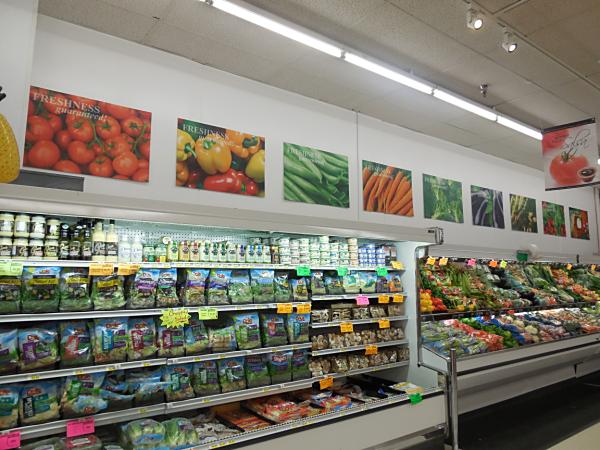 New DOLE SALAD COMPANIONS™, the first line of natural, just-add-lettuce salad solutions providing a total-recipe option in an all-in-one-package, gives consumers everything they need to turn their favorite, freshest greens into an exciting flavorful salad.
Each Salad Companions recipe includes a variety of flavorful toppings – including dried cranberries, crispy apple chips, roasted nuts and other ingredients – with an original, perfectly paired dressing. Consumers simply toss Salad Companions with their favorite greens, head lettuces or premixed salad blends to create a delicious salad in minutes.
Four new DOLE Salad Companions™ will launch in convenient tray packaging in June 2014, with national supermarket distribution expected by October 2014 – and more flavor varieties expected soon.
- DOLE SALAD COMPANIONS™ Apple Walnut Harvest: Crispy apple chips, dried cranberries, walnuts, aged white cheddar cheese and Dole’s own Apple Cider Dijon Vinaigrette dressing. Pairs best with Dole’s popular Spring Mix or similar blends.
- DOLE SALAD COMPANIONS™ Pesto Asiago: Pine nuts, sun-dried tomato croutons, shredded Asiago and Mozzarella cheeses, and Dole’s own Signature Caesar dressing. Pairs best with butter lettuces or mild, sweet greens like Dole’s Butter Bliss blend.
- DOLE SALAD COMPANIONS™ Pecan Honey Dijon: Dried cranberries, roasted pecans sweet cornbread croutons, aged white cheddar and Dole’s own Honey Dijon dressing. Pairs best with Dole’s Field Greens or similar blend.
- DOLE SALAD COMPANIONS™ Signature Caesar: Parmesan, Romano, Asiago and Mozzarella cheeses, toasted garlic croutons and Dole’s own Signature Caesar dressing. Pairs best with Romaine lettuce or a DOLE Salad blend like Hearts of Romaine or Leafy Romaine.
About DOLE Salads
DOLE Salads is one of the world’s largest lines of packaged salads, with 47 unique salad blends and all-natural salad kits. The line is supported by a comprehensive online library of salad and salad-based recipes, serving suggestions and entertaining tips, as well as various consumer-friendly tools like the on-pack DOLE® Salad Guide, Taste and Texture scales, and “Pairs well with” feature, as well as the Dole Salad Circle online community of salad lovers.
Dole Food Co,is one of the world’s largest producers and marketers of high-quality fresh fruit and fresh vegetables, Dole is an industry leader in many of the products it sells, as well as in nutrition education and research.
 Produce loads to Canada should increase in 2015.
It looks like there will be substantially more opportunities for U.S. produce truckers to haul fresh fruits and vegetables across our northern border into Canada.
The USDA has recently published new information indicating Canada looks likely to import far more US fruits and vegetables during the coming year, pushing the value of American exports to Canada to $21.7 billion.
Overall, the value of fresh fruit, vegetables and nuts exported by the US in 2015 could outstrip that of grain and feed for first time in the country’s history, according to new information published by the US Department of Agriculture.
Fresh produce exports including nuts are forecast to generate a record US $37 billion in 2014, the report said, thanks to strong demand and higher prices.
And the sector appears set to buck the prevailing trend as far as US agricultural exports are concerned, with lower prices for corn, wheat and soybeans expected to push down the value of the country’s exports to US $144.5 billion, down US $8 billion or 5.25 per cent from the previous year.
As for imports, the US is expected to spend US $117 billion on agricultural products in 2015, an increase of US $7.5 billion, which the USDA attributed to projected growth in the American economy.